
Every year, strokes affect millions of individuals worldwide, leaving a significant impact not only on the survivors themselves but also on their families, communities, and healthcare systems. A stroke can dramatically alter one’s life in the blink of an eye, leading to challenges in physical mobility, cognition, emotional well-being, and daily functional abilities. However, amidst these challenges lies a beacon of hope: neurophysiotherapy.
What is Neurophysiotherapy?
Neurophysiotherapy is a specialised form of therapy that focuses on the intricate relationship between the nervous system and physical movement, aiming to restore function, reduce symptoms, and improve the overall quality of life for those affected by neurological conditions, including stroke survivors.
At its core, neurophysiotherapy is about harnessing the body’s innate ability to adapt and heal. Following a stroke, many survivors face a daunting road to recovery, marked by challenges such as paralysis, weakness, and loss of coordination. Neurophysiotherapy intervenes by targeting these specific neurological deficits through personalised rehabilitation programmes.
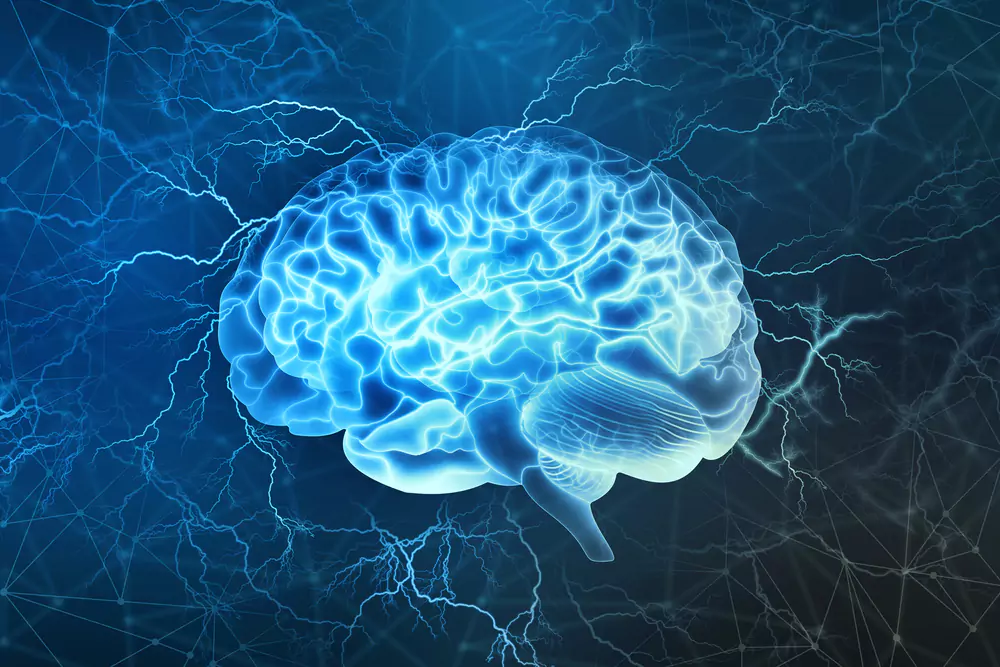
The foundation of neurophysiotherapy lies in the concept of neuroplasticity—the brain’s remarkable ability to reorganise itself by forming new neural connections throughout life. This capability is crucial for recovery post-stroke, as it allows for the functions lost to damaged brain areas to be taken over by other, undamaged parts of the brain. By engaging in targeted exercises and activities, stroke survivors can stimulate and strengthen these new pathways, facilitating functional improvements and, ultimately, a better quality of life.
In the following sections, we will delve deeper into the mechanisms of neurophysiotherapy, exploring the various techniques used to stimulate neuroplasticity and promote recovery. From traditional methods to cutting-edge technologies, we will uncover the multifaceted approach to neurorehabilitation, emphasizing the importance of a tailored, patient-centered therapy plan.
Techniques and Approaches in Neurophysiotherapy
Stroke rehabilitation is a journey that requires not just time and patience but a tailored approach that addresses the unique needs of each individual. Neurophysiotherapy, with its array of techniques and the innovative use of technology, stands at the forefront of this personalised journey towards recovery.
Overview of Various Neurophysiotherapy Techniques:
- The Bobath Concept: This approach is foundational in stroke rehabilitation. It focuses on improving movement and function affected by neurological damage. The Bobath concept emphasizes the importance of relearning normal movement patterns. Therapists guide patients through exercises and activities designed to help regain control over their movements, aiming to restore as much independence as possible.
- Constraint-Induced Movement Therapy (CIMT): Often, stroke survivors experience a phenomenon known as “learned non-use,” where they rely more on their unaffected limb, neglecting the affected one. CIMT challenges this by constraining the unaffected limb, encouraging the use of the affected side to perform daily tasks. This intensive therapy has shown to significantly improve arm and hand function.
- Functional Electrical Stimulation (FES): FES applies small electrical pulses to paralyzed or weakened muscles to improve their function. It’s particularly useful in improving gait and hand function. By artificially generating muscle contraction, FES can help re-establish lost connections between the brain and the muscles, aiding in the recovery of motor skills.
The Importance of a Personalised Rehabilitation Plan
No two strokes are the same; similarly, no two rehabilitation journeys should be identical. Personalised rehabilitation plans are paramount in neurophysiotherapy. They take into account the severity of the stroke, the specific areas of the brain affected, and the individual’s lifestyle, goals, and preferences.
The Use of Technology in Neurophysiotherapy
The integration of technology into neurophysiotherapy has opened new avenues for treatment and recovery. Robotics and virtual reality (VR), for example, have become instrumental in providing interactive and engaging therapies.
- Robotics: Robotic devices assist in delivering high-intensity, repetitive, task-specific exercises. They are particularly beneficial for patients with severe impairments, providing the necessary support to perform movements that would otherwise be impossible. Robotic therapy has shown promising results in improving motor function, especially in the upper limbs.
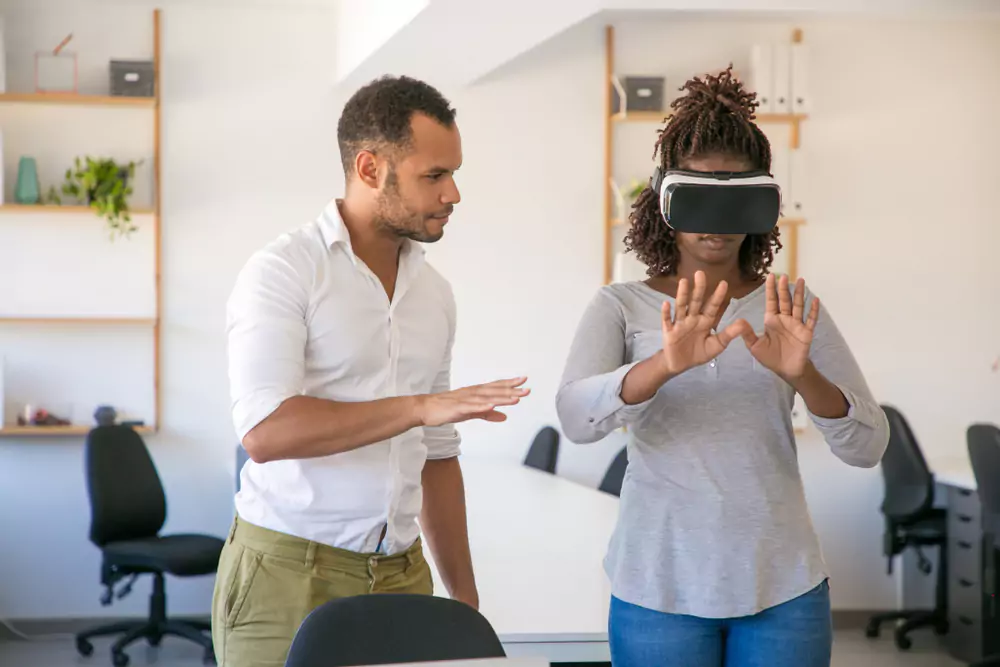
- Virtual Reality (VR): VR offers a safe, controlled, and engaging environment for patients to practice real-life tasks. By immersing patients in virtual scenarios that simulate everyday activities, VR encourages participation and practice, essential for relearning lost skills. It not only aids in physical rehabilitation but also enhances cognitive recovery and motivation.
The combination of traditional techniques, personalised plans, and cutting-edge technology in neurophysiotherapy not only maximizes the potential for recovery but also transforms the rehabilitation journey into a more engaging and hopeful experience. As we continue to explore and integrate new methodologies and technologies, the future of stroke rehabilitation looks increasingly promising, offering stroke survivors a brighter, more independent future.
The Patient’s Journey in Neurophysiotherapy
The journey begins with an initial assessment conducted by a skilled neurophysiotherapist. This assessment is thorough, focusing on the patient’s physical capabilities, areas of weakness, and the impact of the stroke on their daily life. Understanding the patient’s medical history and specific goals is also vital at this stage.
Following the assessment, a personalised rehabilitation plan is crafted. This plan is based on the assessment’s findings and tailored to the patient’s unique recovery goals. It might include exercises to improve muscle strength, coordination, balance, and mobility, alongside techniques to manage any pain or spasticity.
Rehabilitation sessions then commence, with activities and exercises designed to challenge the patient’s abilities while ensuring safety. Progress is continuously monitored, and the plan is adjusted as necessary to ensure the patient remains on the path to recovery.
The Importance of Setting Realistic Goals and Milestones
Setting realistic goals is pivotal in neurophysiotherapy. These goals should be Specific, Measurable, Achievable, Relevant, and Time-bound (SMART). For instance, a goal could be for the patient to walk unassisted for 10 meters within three months. These goals provide motivation and a clear direction for both the patient and the therapist.

Milestones mark significant points along the recovery journey, offering patients tangible signs of progress. Celebrating these milestones can boost morale and encourage continued effort towards recovery.
Rehabilitation following a stroke is a journey fraught with hurdles, both for the patients and the healthcare professionals dedicated to their recovery. Understanding these challenges is crucial for devising more effective and compassionate approaches to care.
Common Challenges Faced During the Rehabilitation Process
- Motivation: The path to recovery is often long and arduous. Patients may experience fluctuations in their motivation levels, especially when progress seems slow or minimal. Healthcare professionals must employ strategies to encourage and sustain motivation over time, such as setting small, achievable goals and celebrating milestones, however minor they may seem.
- Accessibility: Access to specialised neurophysiotherapy services can be limited, especially in rural or underserved areas. This lack of accessibility can significantly delay the initiation of therapy, which is crucial for maximising recovery in the acute phase post-stroke. Tele-rehabilitation and mobile therapy units are emerging solutions to this challenge, bringing therapy to the patient’s doorstep.
- Financial Costs: The expense of ongoing rehabilitation can be a significant burden for many patients and their families. While some may have insurance coverage, others might find the costs prohibitive, potentially leading to early discontinuation of therapy. There is a pressing need for healthcare systems to find ways to reduce these financial barriers, ensuring that all stroke survivors have access to the rehabilitation services they need.
Ethical Considerations in the Administration of Intensive Rehabilitation Programmes
The administration of intensive rehabilitation programmes raises several ethical considerations. The balance between pushing patients to their full potential and respecting their autonomy, preferences, and limits is delicate. It is crucial that patients are fully informed and consent to the intensity and objectives of their rehabilitation programmes.
Moreover, there’s the ethical imperative to ensure equitable access to rehabilitation services. Differences in the availability of resources should not dictate who can and cannot receive high-quality care. Healthcare providers and policymakers must work together to address these disparities, ensuring that every stroke survivor has the opportunity to benefit from the latest advancements in neurophysiotherapy.
The Importance of a Multidisciplinary Approach
Stroke rehabilitation is most effective when it adopts a multidisciplinary approach, involving a team of healthcare professionals who bring diverse expertise to the patient’s care plan. This team might include physiotherapists, occupational therapists, speech and language therapists, psychologists, and neurologists, among others. Such a comprehensive approach ensures that all aspects of the patient’s recovery are addressed, from physical and cognitive rehabilitation to emotional support.
The involvement of patients and their families in the rehabilitation process cannot be overstated. They should be considered part of the multidisciplinary team, with their insights, preferences, and needs guiding the rehabilitation strategy. This collaborative approach not only enhances the relevance and effectiveness of the therapy but also empowers patients and their families, giving them a sense of control over the recovery journey.
The Future of Neurophysiotherapy in Stroke Rehabilitation
The landscape of neurophysiotherapy is rapidly evolving, driven by groundbreaking research and a deeper understanding of the brain’s capacity for recovery. Emerging trends such as the use of transcranial direct current stimulation (tDCS) and virtual reality (VR) environments are offering new pathways for enhancing motor learning and rehabilitation outcomes. These methods not only enrich the therapeutic experience but also leverage the brain’s neuroplasticity, pushing the boundaries of what’s possible in post-stroke recovery.
Additionally, the development of wearable technologies for movement monitoring and feedback is revolutionising the way we approach home-based therapy. These devices enable continuous patient monitoring, providing valuable data that can inform and tailor rehabilitation efforts, ensuring that therapy remains both challenging and achievable for patients.
The Role of Artificial Intelligence and Machine Learning in Developing Personalised Rehabilitation Programmes
Artificial Intelligence (AI) and Machine Learning (ML) stand at the forefront of the next revolution in neurophysiotherapy. These technologies have the potential to transform rehabilitation into a highly personalised journey. By analysing vast amounts of data from clinical assessments, wearable devices, and patient feedback, AI algorithms can identify patterns and predict outcomes with remarkable accuracy. This capability allows for the design of customised rehabilitation programmes that adapt in real-time to the patient’s progress, optimising recovery trajectories and maximising the effectiveness of therapy.
Moreover, AI and ML can facilitate the early identification of patients at risk of developing complications or those likely to benefit from specific therapeutic interventions. This proactive approach can significantly enhance the quality of care, reduce the burden on healthcare systems, and most importantly, improve patient outcomes.
The Importance of Continuous Learning and Adaptation in the Field of Neurorehabilitation
As we embrace these technological advancements, the importance of continuous learning and adaptation among healthcare professionals cannot be overstated. The field of neurophysiotherapy is becoming increasingly complex and specialised, necessitating a commitment to lifelong learning. Practitioners must stay abreast of the latest research findings, technological developments, and best practice guidelines to provide the highest standard of care.
Educational institutions, professional bodies, and healthcare organisations play a pivotal role in supporting this ongoing professional development. Through workshops, online courses, and clinical training programmes, they can ensure that the workforce is equipped with the necessary skills and knowledge to navigate the evolving landscape of stroke rehabilitation.
References and Further Reading
To delve deeper into the subject of neurophysiotherapy and stroke rehabilitation, the following academic and practical resources are recommended:
Oxford Textbook of Neurorehabilitation – by Volker Dietz and Nick S. Ward – This new edition has been thoroughly updated to reflect novel important developments in the field and includes new chapters on vocational rehabilitation, self-management strategies in neurorehabilitation, and music supported therapy in neurorehabilitation.
Innovative Approaches and Therapies to Enhance Neuroplasticity and Promote Recovery in Patients With Neurological Disorders – An insightful review discussing the role of neuroplasticity in rehabilitation and how it can be leveraged for stroke recovery.
PubMed and Google Scholar for the latest research articles on neurophysiotherapy techniques, outcomes, and innovations.
By staying informed and engaged with the latest research and methodologies, we can continue to advance the field of neurophysiotherapy, offering hope and improved quality of life to those affected by stroke.


